The reason Urban Nightlife is a focus of social connection.
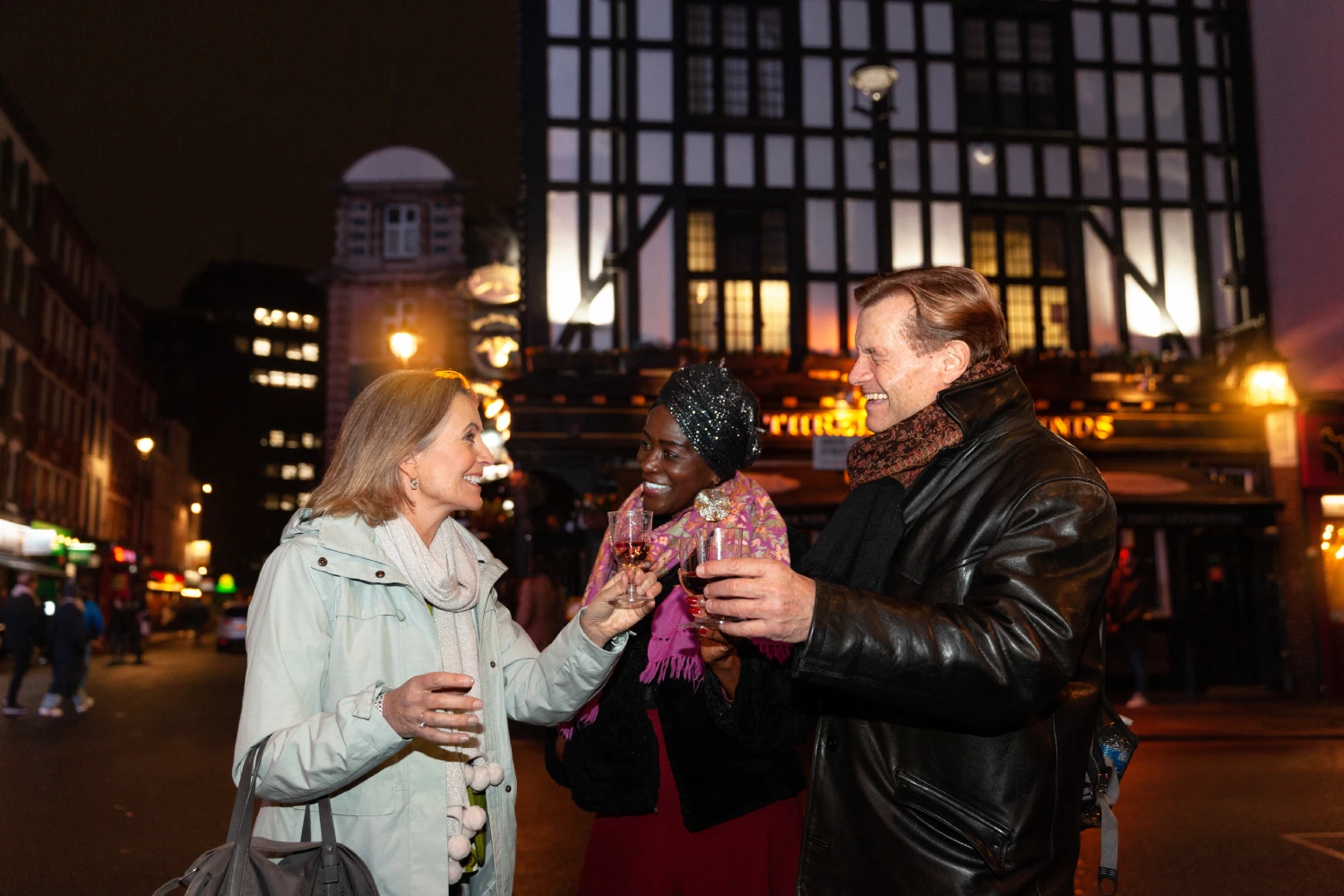
Urban nightlife is not simply activity after the dark. It is an essential component of the social life of the contemporary cities. Cities turn into spheres of expression, imagination, and communication when the working process finishes and the lights start shining. Hotels are crowded with people talking, night clubs are full of people dancing, cultural events attract people, and social places open up to common experiences. Such night-time settings are important in enhancing social ties.
Shared emotional experience is one of the primary motivators of urban nightlife that helps people to connect. Having all of them at concerts, comedy performances, food festivals, and other social events, they all get to feel the same thing simultaneously. Emotional alignment is caused by laughing together, responding to live music, or celebrating together. Such a synchronism creates non-obtrusive yet significant links among people even in the case when the individuals are unacquainted.
At nightlife, informal interaction is also offered. Work and organized routines tend to influence the social interactions during the day. Evening environments, on the contrary, promote easy conversation and non-planned interactions. This change in the mood allows people to feel more comfortable when addressing other people, making new friends, and reinforcing old friendships.
Inspired by diversity, cities provide diversity, and nightlife is a manifestation of this diversity. Entertainment activities in the urban location involve live concerts, art exhibitions, food events, thematic events, and cultural events. These diverse backgrounds and experiences unite individuals with diverse backgrounds and point of view. Constant exposure to new environments promotes knowledge and mutual appreciation which leads to strengthening of the bonds within the community.
Nightlife culture usually revolves around music. Theatrical performances provide immersion with the involvement of sound, lighting, and the energy of the audience to generate a shared setting. Such mutual sensing experience adds to the emotional intensity and the sense of belonging. The physical nature of music together with interaction of the crowd makes the experience stronger as compared to listening alone.
Self-expression is also offered by the night life in the urban places. People identify themselves via fashion, dialogue and engagement in certain social events. Evening spaces have a tendency to be less confined as compared to daytime spaces and people can experiment with creativity and confidence. The feeling of openness favors self-development and genuine communication.
One more significant factor is the disruption of routine. There is a monotony of life with its obligations and responsibilities. The activities at night bring in newness and adventure. Going to new places, occasions, or communities reenergizes the mind and enhances the emotional state. The renewal is a boost to effective social interaction.
A healthy balance is however needed. Although the urban nightlife has the power to boost the bond and the vitality, conscious engagement makes it a good thing. The selection of the environment that is in accordance with personal comfortable and valued is beneficial to sustainable enjoyment.
Finally, the city night life further assumes a primary role in social connection as it alters the city spaces into a place of communal experience. It is a combination of emotion, creativity and community that builds relationship. Entertainment after the dark is not just a recreation in the contemporary urban life, but a potent means of creating linkage and identity.